Liberal Forum
Archive
‹
Political Chat Rooms
‹
No Holds Barred Political Forum
‹
Ivermectin Works!!!
Ivermectin Works!!!

By Buffalo
20 Nov 2022 2:29 pm in No Holds Barred Political Forum

21 Nov 2022 9:01 am
Natch, Coozie..DeezerShoove » 21 Nov 2022, 9:54 am » wrote: ↑ Like I said:
At odds with each other.
And you prove your emotional investment in "your side".
Funny part is this: I'm not even saying you're wrong, yet you imagine ****.
You want an example of your not knowing how to "come at me"?
You're still an absolute ****.
You take many nuanced stands on many issues.
You're kinda like the Sphinx of this place..
Have you ever read Ozymandias?You want an example of your not knowing how to "come at me"?

21 Nov 2022 9:16 am
Buffalo beat you to it. He used a credible source too. Now don't you have some other people to impose your narcissistic personality disorder on?freeman » 21 Nov 2022, 9:57 am » wrote: ↑ ScottMonster never failing to miss an opportunity to demonstrate her abject ignorance!
"187 ivermectin COVID-19 studies, 138 peer reviewed, 93 comparing treatment and control groups."
viewtopic.php?p=2165676#p2165676
21 Nov 2022 9:26 am

Have you ever read "Breakfast of Champions?"Blackvegetable » 21 Nov 2022, 10:01 am » wrote: ↑ Natch, Coozie..
You take many nuanced stands on many issues.
You're kinda like the Sphinx of this place..
Have you ever read Ozymandias?
Please seat yourself.

I like the very things you hate.
I like the very things you hate.
21 Nov 2022 9:27 am
21 Nov 2022 9:33 am
You understand that was satire and humor, right?
Please seat yourself.
I like the very things you hate.
I like the very things you hate.
21 Nov 2022 9:35 am
Are these questions heading anywhere?

21 Nov 2022 9:41 am

Looks like Big Pharma's propaganda arm, the FDA, hasn't gotten around to quietly removing their demonization of IVM from their site yet:
Big Pharma's propaganda ministry, the FDA, horses around with IVM as COVID cure
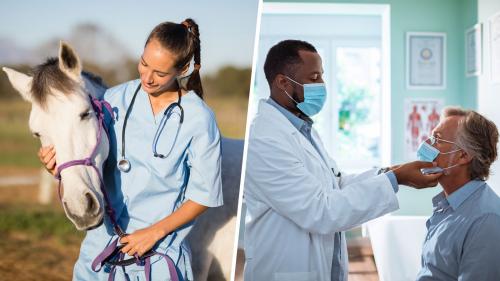
Or their Twitter account:
https://twitter.com/us_fda/status/1429050070243192839
“You are not a horse. You are not a cow. Seriously, y’all. Stop it.”
https://duckduckgo.com/?q=%E2%80%9CYou+ ... =h_&ia=web
"Well, well , well the LYING FDA is now backtracking and denying that they never said NOT to take Ivermectin, nor did they tell doctors they could not prescribe it."
So "Seriously, y’all. Stop it." isn't telling people not to take IVM?
How about: "Why you should not use ivermectin to treat or prevent COVID-19. Using the drug ivermectin to treat COVID-19 can be dangerous and even lethal. The FDA has not approved the drug for that purpose."
Meanwhile, mass treatment of all of the COVID positive testing among 230 million people, 310,783 cases April, cut 97.1% in June, just 22 cases August were treated with no known significant adverse side effects.
While a WHO Bulletin states that Mass treatment with ivermectin underutilized public health strategy
Why doesn't the FDA call aspirin "horse paste" since it is also administered to horses in paste form?
Big Pharma's propaganda ministry, the FDA, horses around with IVM as COVID cure
Or their Twitter account:
https://twitter.com/us_fda/status/1429050070243192839
“You are not a horse. You are not a cow. Seriously, y’all. Stop it.”
https://duckduckgo.com/?q=%E2%80%9CYou+ ... =h_&ia=web
"Well, well , well the LYING FDA is now backtracking and denying that they never said NOT to take Ivermectin, nor did they tell doctors they could not prescribe it."
So "Seriously, y’all. Stop it." isn't telling people not to take IVM?
How about: "Why you should not use ivermectin to treat or prevent COVID-19. Using the drug ivermectin to treat COVID-19 can be dangerous and even lethal. The FDA has not approved the drug for that purpose."
Meanwhile, mass treatment of all of the COVID positive testing among 230 million people, 310,783 cases April, cut 97.1% in June, just 22 cases August were treated with no known significant adverse side effects.
While a WHO Bulletin states that Mass treatment with ivermectin underutilized public health strategy
Why doesn't the FDA call aspirin "horse paste" since it is also administered to horses in paste form?

21 Nov 2022 9:55 am

Don't call others "narcissistic" when you can't even admit when you are wrong.ScottMon » 21 Nov 2022, 10:16 am » wrote: ↑ Buffalo beat you to it. He used a credible source too. Now don't you have some other people to impose your narcissistic personality disorder on?

21 Nov 2022 9:55 am

21 Nov 2022 10:05 am
Skans,Skans » 21 Nov 2022, 10:55 am » wrote: ↑ Don't call others "narcissistic" when you can't even admit when you are wrong.
That would be more convincing if you provided an example.
21 Nov 2022 10:26 am
Why would the FDA try such a stupid defense? Because that's all they've got.Buffalo » 20 Nov 2022, 3:29 pm » wrote: ↑The U.S. Food and Drug Administration (FDA) telling people to “stop” taking ivermectin for COVID-19 was informal and just a recommendation, government lawyers argued during a recent hearing.
“The cited statements were not directives. They were not mandatory. They were recommendations. They said what parties should do. They said, for example, why you should not take ivermectin to treat COVID-19.
The FDA created a webpage in 2021 titled “Why You Should Not Use Ivermectin to Treat or Prevent COVID-19” and later posted a link to the page on Twitter while writing: “You are not a horse. You are not a cow. Seriously, y’all. Stop it.” A second post stated: “Hold your horses, y’all. Ivermectin may be trending, but it still isn’t authorized or approved to treat COVID-19.”
In a separate page, the FDA said: “Q: Should I take ivermectin to prevent or treat COVID-19? A: No.”
When a doctor prescribes a medication off-label and/or outside the NIH "standard of care", they are stepping out from under the protection of their medical malpractice insurance policies and baring their asses to sleazy lawyer's malpractice lawsuits.
Now imagine what it took for brave docs like Brian Tyson and all of the other brave doctors to do go against the FDA, Fauci and the rest of the Pharma captured bureaucracies specific "No"s on the subject.
Would anyone really expect the hedge fund and private equity owned doctor group practices and the hospital Illness Industry (a patient cured is a customer lost) to value their patients lives more than they do their Ferraris? They killed a million Americans instead.
Compare COVID death rate in the IVM/HCQ-poor US with IVM/HCQ-rich Nations
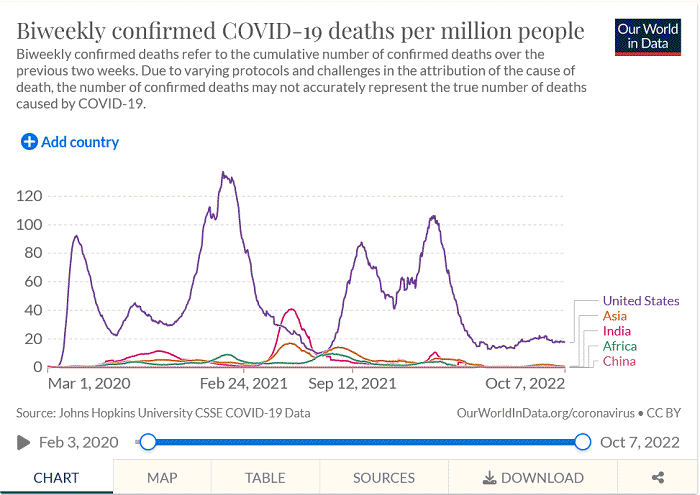
The FDA knew exactly what they were doing. Ivermectin that sells for as cheap as 3 cents a pill or $230 per kilogram, does not cover the Big Pharma half of FDA's budget any more than it buys Superbowl or TV and legacy media advertising, let alone finance politicians campaigns and bogus studies and trials. Pharma spends more money on advertising than they do on developing new drugs. They spend twice as much lobbying government as the next biggest spender.
Two brave docs!
1,900 COVID+ elderly and high-risk individuals 0 deaths 1 hospitalization of 4 days
Tyson and his partner Dr. George Fareed have now treated over 12,000 patients with zero deaths among those that showed up for treatment on a timely basis, and just a handful of deaths among those that showed up late.
Overcoming the COVID-19 Darkness: Two Doctors Successfully Treated 7000 Patients
https://youtu.be/fe1TqxvXKTs

21 Nov 2022 11:05 am
How Ivermectin works...
2. Ivermectin for Early and Acute COVID
Many peer-reviewed studies have found that ivermectin, when used by itself or in conjunction with other therapies in symptomatic patients, reduces ventilation time, time for recovery, and the risk of progressing to severe disease. (pdf 1, pdf 2, pdf 3)
This is likely due to ivermectin’s anti-inflammatory role in multiple pathways, achieved by clearing out the viral particles by immobilizing them, reducing inflammation, and improving mitochondrial action.
Suppose the early viral replication is not controlled and cleared out soon enough by the body’s immune system. In that case, the infection can become severe or even hyperinflammatory, possibly leading to systemic organ failures.
Ivermectin can also directly interact with immune pathways, suppressing inflammation and reducing the chances of developing a cytokine storm. A cytokine storm occurs when the immune system is hyperactive and hyperinflammatory. Though ivermectin can help to clear out the virus and its particles, the inflammatory state of the tissues and the organs can often cause more damage than the virus itself.
Ivermectin also likely improves gut health, which plays an essential role in immunity by preventing bacteria and viruses from infecting people via the gut.
In a published study, Hazan hypothesized that ivermectin helps COVID-19 patients by increasing the levels of Bifidobacteria—a beneficial bacteria—in the gut.
As the CEO and founder of her own genetic sequencing research laboratory, ProgenaBiome, Hazan noticed that the Bifidobacteria levels in her stools would increase after she took ivermectin. Critical COVID patients would have “zero Bifidobacteria,” which can often be a sign of poor health.
In her peer-reviewed study on hypoxic patients, she observed that COVID patients with low oxygen levels from the cytokine storms in their lungs would improve within hours of administering ivermectin.
“When people die of COVID, they die from the cytokines—they couldn’t breathe anymore. It’s almost like an anaphylactic reaction. So when you give them ivermectin at the moment they’re about to crash, you’re boosting the Bifidobacteria [and increasing their oxygen],” Hazan said.
She explained that ivermectin is a fermented product of Streptomyces bacteria. Streptomyces are within the same group Bifidobacteria are from, which may explain why ivermectin temporarily boosts Bifidobacteria.
Ivermectin also helps with mitochondrial function. During severe COVID-19, patients often experience pulmonary dysfunctions due to lung inflammation, reducing oxygen flow. This can cause stress to the mitochondria, leading to fatigue, and, when severe, may cause cell and tissue death. Ivermectin has been shown to increase energy production, indicating that it is beneficial to the mitochondria.
Furthermore, Ivermectin can bind to the spike protein—a distinctive structural feature of the COVID virus which has a crucial role in its pathogenesis. In systemic disease, the spike protein can enter the bloodstream and bind to red blood cells to form blood clots. Ivermectin can prevent blood clots from forming in the body.
2. Ivermectin for Early and Acute COVID
Many peer-reviewed studies have found that ivermectin, when used by itself or in conjunction with other therapies in symptomatic patients, reduces ventilation time, time for recovery, and the risk of progressing to severe disease. (pdf 1, pdf 2, pdf 3)
This is likely due to ivermectin’s anti-inflammatory role in multiple pathways, achieved by clearing out the viral particles by immobilizing them, reducing inflammation, and improving mitochondrial action.
Suppose the early viral replication is not controlled and cleared out soon enough by the body’s immune system. In that case, the infection can become severe or even hyperinflammatory, possibly leading to systemic organ failures.
Ivermectin can also directly interact with immune pathways, suppressing inflammation and reducing the chances of developing a cytokine storm. A cytokine storm occurs when the immune system is hyperactive and hyperinflammatory. Though ivermectin can help to clear out the virus and its particles, the inflammatory state of the tissues and the organs can often cause more damage than the virus itself.
Ivermectin also likely improves gut health, which plays an essential role in immunity by preventing bacteria and viruses from infecting people via the gut.
In a published study, Hazan hypothesized that ivermectin helps COVID-19 patients by increasing the levels of Bifidobacteria—a beneficial bacteria—in the gut.
As the CEO and founder of her own genetic sequencing research laboratory, ProgenaBiome, Hazan noticed that the Bifidobacteria levels in her stools would increase after she took ivermectin. Critical COVID patients would have “zero Bifidobacteria,” which can often be a sign of poor health.
In her peer-reviewed study on hypoxic patients, she observed that COVID patients with low oxygen levels from the cytokine storms in their lungs would improve within hours of administering ivermectin.
“When people die of COVID, they die from the cytokines—they couldn’t breathe anymore. It’s almost like an anaphylactic reaction. So when you give them ivermectin at the moment they’re about to crash, you’re boosting the Bifidobacteria [and increasing their oxygen],” Hazan said.
She explained that ivermectin is a fermented product of Streptomyces bacteria. Streptomyces are within the same group Bifidobacteria are from, which may explain why ivermectin temporarily boosts Bifidobacteria.
Ivermectin also helps with mitochondrial function. During severe COVID-19, patients often experience pulmonary dysfunctions due to lung inflammation, reducing oxygen flow. This can cause stress to the mitochondria, leading to fatigue, and, when severe, may cause cell and tissue death. Ivermectin has been shown to increase energy production, indicating that it is beneficial to the mitochondria.
Furthermore, Ivermectin can bind to the spike protein—a distinctive structural feature of the COVID virus which has a crucial role in its pathogenesis. In systemic disease, the spike protein can enter the bloodstream and bind to red blood cells to form blood clots. Ivermectin can prevent blood clots from forming in the body.
21 Nov 2022 11:06 am
3. Ivermectin for Long COVID and Post-Vaccine Symptoms
The number of studies supporting ivermectin to treat long COVID and post-COVID-19 vaccine symptoms is limited. However, doctors treating these conditions have observed successful results with ivermectin.
An Argentinian study published in March 2021 is the only peer-reviewed study evaluating ivermectin for long COVID.
Researchers found that in patients reporting long COVID symptoms—including coughing, brain fog, headaches, and fatigue—ivermectin alleviated their symptoms.
Mechanistically, ivermectin can improve autophagy. This process is usually switched off during COVID-19 infections. By switching autophagy back on, ivermectin can help cells clear remnant viral proteins out, returning stability to the cell.
Like acute and severe COVID-19, chronic spike protein triggers inflammation, and ivermectin can reduce such responses by suppressing inflammatory pathways and lessening the damage to tissues and blood vessels.
https://www.theepochtimes.com/health/iv ... 757gPyA%3D
The number of studies supporting ivermectin to treat long COVID and post-COVID-19 vaccine symptoms is limited. However, doctors treating these conditions have observed successful results with ivermectin.
An Argentinian study published in March 2021 is the only peer-reviewed study evaluating ivermectin for long COVID.
Researchers found that in patients reporting long COVID symptoms—including coughing, brain fog, headaches, and fatigue—ivermectin alleviated their symptoms.
Mechanistically, ivermectin can improve autophagy. This process is usually switched off during COVID-19 infections. By switching autophagy back on, ivermectin can help cells clear remnant viral proteins out, returning stability to the cell.
Like acute and severe COVID-19, chronic spike protein triggers inflammation, and ivermectin can reduce such responses by suppressing inflammatory pathways and lessening the damage to tissues and blood vessels.
https://www.theepochtimes.com/health/iv ... 757gPyA%3D
21 Nov 2022 11:09 am
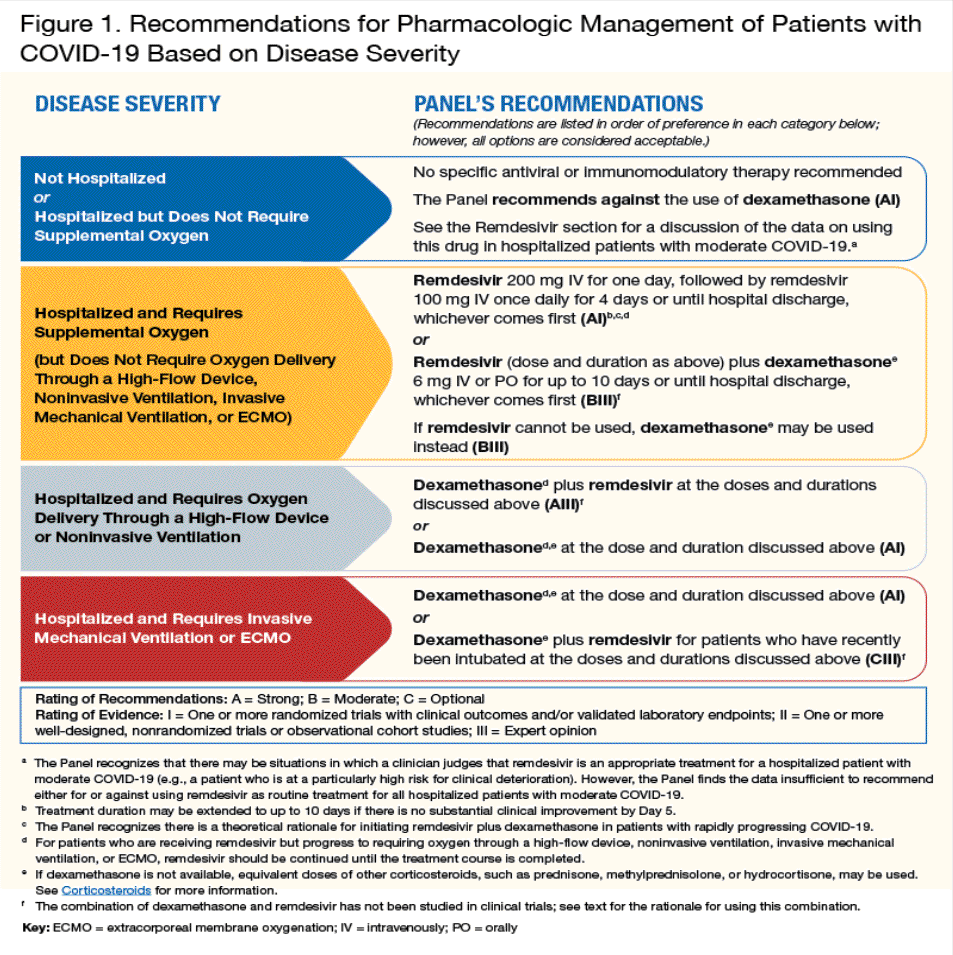
Meanwhile as millions of people around the world were cured of COVID-19 within days with IVM and HCQ protocols, in the comfort of their homes, the NIH "standard of care" almost throughout the entirety of 2020 was to go home and isolate with with no early treatment recommendations until you begin to suffocate and need one of the Illness Industries hospitals (and be killed by negligence, intubation and Remdesivir).freeman » 21 Nov 2022, 11:26 am » wrote: ↑ Why would the FDA try such a stupid defense? Because that's all they've got.
When a doctor prescribes a medication off-label and/or outside the NIH "standard of care", they are stepping out from under the protection of their medical malpractice insurance policies and baring their asses to sleazy lawyer's malpractice lawsuits.
Fauci's "go home and isolate" treatment for COVID was a death sentence for many
Today billing up to $470,000 per COVID patient, when even elderly and high-risk patients could have been treated at home with virtually 100% success, with either one of two $20 early treatment protocols.
Hospitals bill up to $470,000 PER COVID-19 PATIENT
Any doctor or hospital going against the NIH was on their own in terms of medical malpractice liability coverage.
NIH deadly recommendations compared to those of COVID-competent professionals
21 Nov 2022 11:18 am
And more than likely sanctioned and threatened with their licenses being suspended.freeman » 21 Nov 2022, 12:09 pm » wrote: ↑ Meanwhile as millions of people around the world were cured of COVID-19 within days with IVM and HCQ protocols, in the comfort of their homes, the NIH "standard of care" almost throughout the entirety of 2020 was to go home and isolate with with no early treatment recommendations until you begin to suffocate and then go to one of the Illness Industries hospitals (and be killed by negligence, intubation and Remdesivir).
Fauci's "go home and isolate" treatment for COVID was a death sentence for many
Any doctor or hospital going against the NIH was on their own in terms of medical malpractice liability coverage.
NIH deadly recommendations compared to those of COVID-competent professionals
Fauci, the FDA and big pharma that profited $ BILLIONS from their experimental mRNA **** should be sued and charged with MURDER!!!
21 Nov 2022 11:24 am
How different is Dr. Fauci's Cuomo's and the NIH, FDA, CDC and high-tech's, genocide of sick, vulnerable and elderly Americans (while hitting black, Latino and Native American communities the hardest) - through NIH absence of, as well as deadly, recommendations in conjunction with censorship of truth - from Pol Pot's genocide of Cambodians?Buffalo » 21 Nov 2022, 12:18 pm » wrote: ↑ And more than likely sanctioned and threatened with their licenses being suspended.
Fauci, the FDA and big pharma that profited $ BILLIONS from their experimental mRNA **** should be sued and charged with MURDER!!!
"Because Pol Pot's vision of Cambodia necessitated the ability of citizens to work, mass numbers of the elderly, disabled and ill were among the casualties of the Cambodian genocide."
Compare Dr. Fauci and FDA genocide of sick and elderly with Pol Pot's Cambodia
21 Nov 2022 11:28 am
Hey Buffalo, why not retitle this thread something like: "FDA attempts to run and hide from their homicide of Americans through their demonization of ivermectin."?
21 Nov 2022 11:29 am
No difference...freeman » 21 Nov 2022, 12:24 pm » wrote: ↑ How different is Dr. Fauci's Cuomo's and the NIH, FDA, CDC and high-tech's, genocide of sick, vulnerable and elderly Americans (while hitting black, Latino and Native American communities the hardest) - through NIH absence of, as well as deadly, recommendations in conjunction with censorship of truth - from Pol Pot's genocide of Cambodians?
"Because Pol Pot's vision of Cambodia necessitated the ability of citizens to work, mass numbers of the elderly, disabled and ill were among the casualties of the Cambodian genocide."
Compare Dr. Fauci and FDA genocide of sick and elderly with Pol Pot's Cambodia

21 Nov 2022 11:29 am
Cedar confirms that he can't provide a legitimate study.Cedar » 20 Nov 2022, 3:53 pm » wrote: ↑ScottMon » 20 Nov 2022, 3:46 pm » wrote: ↑ Show me a peer review that explicitly states that Ivermectin works.

What's a "benis"?
There was one covid/ivermectin study. It was an in-vitro study which showed ivermectin having some negative effect on the structure of the SARS COVE 2 virus...at 25 times the toxic level in humans.
21 Nov 2022 11:38 am
Ikey girl confirms she helped kill a family member, by not giving them a heads up on early treatment with IVM or HCQ protocols, well in advance of their infection. While repeatedly demonizing IVM and HCQ teatment protocols in this forum.
viewtopic.php?f=3&t=71341&p=2163977#p2163977
This should help resolve your filthy lies and continuing stupidity:Cedar confirms that he can't provide a legitimate study.
What's a "benis"?
There was one covid/ivermectin study. It was an in-vitro study which showed ivermectin having some negative effect on the structure of the SARS COVE 2 virus...at 25 times the toxic level in humans.
"187 ivermectin COVID-19 studies, 138 peer reviewed, 93 comparing treatment and control groups."
viewtopic.php?p=2165676#p2165676
But it won't, since you've demonstrated you'll insist on staying stupid. Even after essentially contributing to the negligent death of a family member by not helping them even though you have been shown the way.
You had 2-1/2 years to educate your family about the importance of early treatment with effective generic drug/nutraceutical protocols as Cannon and I did ours.
Who is online
In total there are 3651 users online :: 7 registered, 17 bots, and 3627 guests
Registered users: Blackvegetable, ConservativeWave, Beekeeper, jerra b, SouthernFried, Cannonpointer, Deezer Shoove
Bots: Bolt, proximic, DuckDuckBot, Disco, CriteoBot, MicroMessenger, okhttp, ADmantX, FDM, YandexBot, Applebot, Mediapartners-Google, facebookexternalhit, Googlebot, Baiduspider, curl/7, bingbot