Liberal Forum
Archive
‹
Political Chat Rooms
‹
No Holds Barred Political Forum
‹
Should there be price caps on housing rentals?
Should there be price caps on housing rentals?

By Monderegal
16 Apr 2023 10:08 am in No Holds Barred Political Forum

17 Apr 2023 8:34 am

Trumprules » 17 Apr 2023, 6:48 am » wrote: ↑ Exactly if they can't afford rent with the jobs they have they need to get higher wages or die.
- or, rent a room instead of a large apartment,
- or, move to a place where rents are lower,
- or, work a real job
- or, take school seriously so that they will have skills to become employed and pay for a place to live.

17 Apr 2023 9:04 am
DeezerShoove » 17 Apr 2023, 6:32 am » wrote: ↑ I just tire of "experts" with agendas. But I can't get enough of monetary ignoramuses with no agendas except to promote the red $hit-puppet$.

17 Apr 2023 9:18 am

You have a vast arsenal of wit.
Please seat yourself.

I like the very things you hate.
I like the very things you hate.

17 Apr 2023 9:30 am

Skans » 17 Apr 2023, 8:34 am » wrote: ↑
- or, rent a room instead of a large apartment,
- or, move to a place where rents are lower,
- or, work a real job
- or, take school seriously so that they will have skills to become employed and pay for a place to live.
I read that America has the highest housing prices. It would appear that it's going toward a direction that only the upper middle class + will be able to live in a house, be a rental or a mortgage. This will cause an influx of homeless people and people living under the government's hand.
I got to tell ya, America is not becoming the land of the free. Once, a single income could buy a home and provide for a family. Those days are long gone.
Blackvegatble's hypcorisy summed up in one post:
[/size]
Blackvegetable » 7 minutes ago » wrote: ↑7 minutes ago
Very simple questions...
From which you are running...

Blackvegetable » 7 minutes ago » wrote: ↑7 minutes ago
Very simple questions...
From which you are running...

17 Apr 2023 10:27 am
The reality is that after the property is fully depreciated it is utterly worthless. And that is a fiction. The lot the property sits on is always worth something unless it is under water, covered by lava from a volcano or some other rare natural phenomena. The truth is the depreciation deduction in the tax code essentially serves to encourage the sale of the fully depreciated property, which at the present time is surely far greaer than its original purchase price.Monderegal » 16 Apr 2023, 4:41 pm » wrote: ↑ The useful life of a rental property in accounting refers to the estimated amount of time the property will be in service and earn revenue for its owner. Typically, the useful life of a rental property is considered to be 27.5 years, according to IRS guidelines. This is known as the straight-line depreciation period, which means the property owner can take yearly depreciation deductions over a period of 27.5 years as a way to offset the cost of the property and reduce their taxable income. However, it's important to note that useful life can vary based on factors such as maintenance, upgrades, and the condition of the property.
The subject here is the excessively high price of rental property and houses on the market for sale.

17 Apr 2023 11:16 am

Renters have all the rights. Landlords have none. Taxes, insurance and repairs increase everyday. As house prices go up so does rent. And it doesn't matter if houses go down in price. What a person has to pay for a house determines a big portion of the price of rent. And the majority of renters are scum bags.
17 Apr 2023 11:32 am
Skans » 17 Apr 2023, 8:32 am » wrote: ↑ People have a right to try and earn money to take care of themselves. People do not have a right to collect government benefits so they can lay around and get high all day. No one has any obligation to provide housing for people like that.
Well you do have the problem of those who fall through the cracks. A veteran that lost both his legs in Iraq probably can't find work without help and needs medical benefits. Drugs are a problem too.
Nothing is easier than defending the status quo.

17 Apr 2023 11:41 am
Highly doubtful.Trumprules » 17 Apr 2023, 6:44 am » wrote: ↑ Just your luck. You may find enough power in the trump movement to kill anybody you want to.
Can you show a single example of Trump doing that during his term?
Or is it only Democrats like Cuomo, Biden, Obama, and Hillary that you are so unconcerned about when THEY murder people?
Because there are PLENTY of examples of each of those liberal democrats doing it!
17 Apr 2023 11:59 am
So dickhead, who was it that got murdered as a result of anyone chanting anything on Jan. 6th, other than the Trump supporter who was murdered by an overzealous black cop taking orders from Pelosi and Bowser?Trumprules » 17 Apr 2023, 11:43 am » wrote: ↑ Oh only the capital insurrection killed people. And they wanted and chanted hang Mike Pence. I guess they were joking.
You see, I can give you the names of the border guards that were murdered by Obama's stupidity in "fast and furious", the soldiers and ambassador killed by Hillary and Obama's incompetence in Benghazi, the 13 killed by Biden's incompetence in the withdrawal from Afghanistan, and the hundreds that were murdered when idiot Cuomo put infected Covid patients in nursing homes.
Why don't you equate that with anyone that Trump was as responsible for killing?
17 Apr 2023 12:38 pm
ConsRule » 17 Apr 2023, 7:29 am » wrote: ↑ WRONG!!! The basis of an asset for depreciation purposes is the cost of putting the asset into service. That may or may not be limited to the price paid to the previous owner. Additionally, for tax purposes the useful life or real property (buildings) is 39 years and any improvements made to the building are depreciated over the remaining useful life of the building.
Well, yes if the owner needs to repair a building to rent it out, then of course, that is added to the purchase price. And that would INCREASE the amount of the annual depreciation deduction.
The reality is that buildings normally do not wear out, not in 20 years nor in 39 years. My house was built in 1977.
Also, when the new purchaser buys a property, it is considered for tax purposes exactly the same way at a building that is entirely new. That is a fiction.
And this fiction is a factor that causes the price of real estate, including rental prices, to rise.
17 Apr 2023 2:37 pm
It doesn't. Try buying a house in Switzerland. 20 years ago, an average Swiss house cost $1.5 million.
Depends where you live. There are millions of small towns all across America where houses don't cost nearly what they cost in metropolitan areas.I've got to tell ya, America is not becoming the land of the free. Once, a single income could buy a home and provide for a family. Those days are long gone.
Here's a 3-2 brick house in Jackson County, Florida for $160K, Grass needs to be mowed and probably needs a little TLC.

Here's a house in Woodbine Ga for $179,000
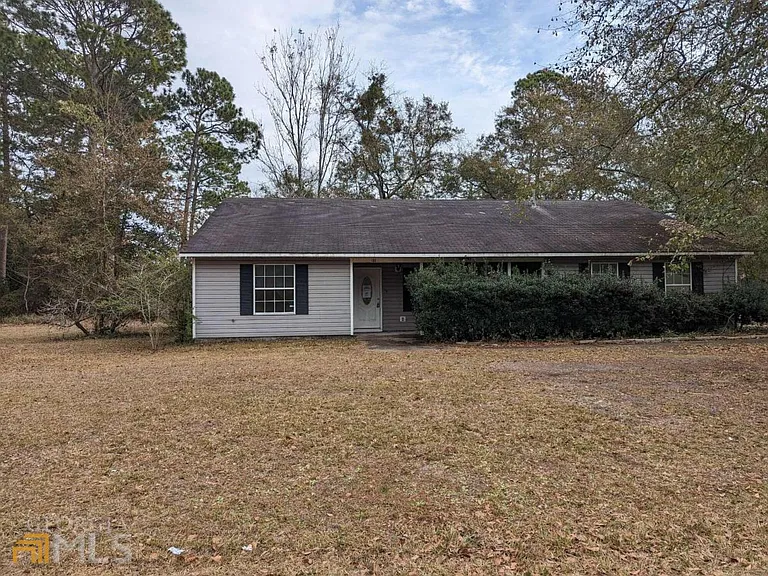
Polk Co North Carolina - $200,000 for a 2-1.
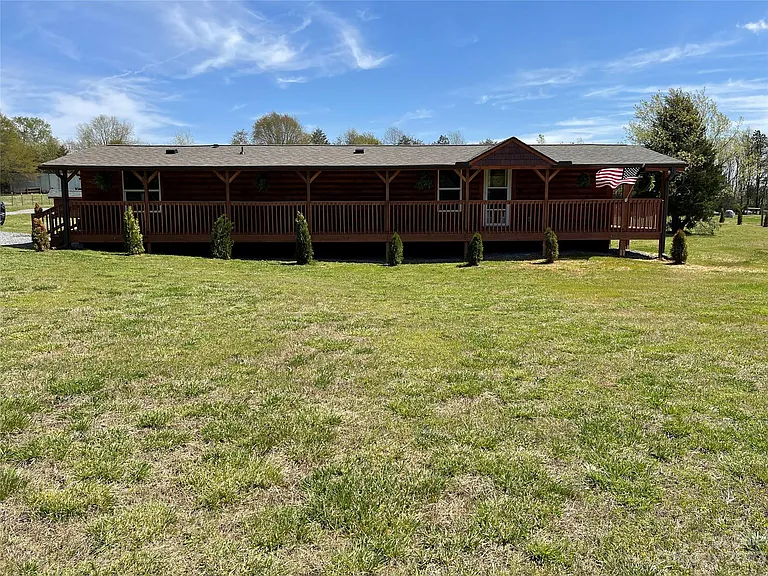
17 Apr 2023 2:41 pm
Ok, I agree that there are some decent people who fall through the cracks, and there should be a safety net to help them. A veteran who lost both his legs would be a good example. A guy like that should get first dibs on technologically advanced leg replacements. They do receive a lot of benefits as far as income and housing already.Monderegal » 17 Apr 2023, 11:32 am » wrote: ↑ Well you do have the problem of those who fall through the cracks. A veteran that lost both his legs in Iraq probably can't find work without help and needs medical benefits. Drugs are a problem too.
17 Apr 2023 6:06 pm
Like you actually know the majority of renters.PhiloBeddo » 17 Apr 2023, 11:16 am » wrote: ↑ Renters have all the rights. Landlords have none. Taxes, insurance and repairs increase everyday. As house prices go up so does rent. And it doesn't matter if houses go down in price. What a person has to pay for a house determines a big portion of the price of rent. And the majority of renters are scum bags.
The owner of the rock you live under does not even know you are there.
17 Apr 2023 7:50 pm
That's the problem when it comes to actual policy. How do you determine who's the guy who got mesothelioma from working with asbestos and who's the free loader who would rather play XBox all day than work? It's a difficult process in determining who gets the benefits. The answer isn't simply no benefits or benefits for all in actual policy.Skans » 17 Apr 2023, 2:41 pm » wrote: ↑ Ok, I agree that there are some decent people who fall through the cracks, and there should be a safety net to help them. A veteran who lost both his legs would be a good example. A guy like that should get first dibs on technologically advanced leg replacements. They do receive a lot of benefits as far as income and housing already.
Nothing is easier than defending the status quo.
18 Apr 2023 7:45 am
All you can do is employ heartless people who enjoy rooting out and starving the worthless, freeloading x-box players.Monderegal » 17 Apr 2023, 7:50 pm » wrote: ↑ That's the problem when it comes to actual policy. How do you determine who's the guy who got mesothelioma from working with asbestos and who's the free loader who would rather play XBox all day than work? It's a difficult process in determining who gets the benefits. The answer isn't simply no benefits or benefits for all in actual policy.
Nobody is demanding perfection. Just accountability.

18 Apr 2023 8:05 am
You have once again demonstrated you don't know **** about business. You said, "The truth is the depreciation deduction in the tax code essentially serves to encourage the sale of the fully depreciated property..." - No it doesn't. The purpose of depreciation (be it GAAP or tax depreciation) is to properly allocate cost in a manner that matches the revenue generated from using the asset. That is it...period...full stop. The time period over which an asset is depreciated is an estimate. There are recommendations in GAAP and the IRS has established useful lives...which may or may not agree with each other. For tax purposes, every company I have ever encountered uses the IRS useful lives. However, many businesses use experience to determine if the useful life they assign should deviate from the GAAP recommendations. For example, if a company is replacing an asset the was depreciated over 5 years (per GAAP recommendations) but actually lasted 7 years, they will likely assign a useful life of 7 years to the new asset as the have concrete evidence supporting the deviation.Xavier_Onassis » 17 Apr 2023, 10:27 am » wrote: ↑ The reality is that after the property is fully depreciated it is utterly worthless. And that is a fiction. The lot the property sits on is always worth something unless it is under water, covered by lava from a volcano or some other rare natural phenomena. The truth is the depreciation deduction in the tax code essentially serves to encourage the sale of the fully depreciated property, which at the present time is surely far greaer than its original purchase price.
The subject here is the excessively high price of rental property and houses on the market for sale.
You also seem to be confusing net book value of real property with market value. You really should either educate yourself on this topic or shut the **** up.
18 Apr 2023 10:08 am
You demonstrate quite clearly that you lack the ability to write coherently.
The cost of Americans to buy and rent a place to live has become a very serious problem and all you want to do is insult me.
The price a home to a wannabe homeowner and the price of rent to a renter is what determines affordability, and all you want to do is blather a bunch of garbled nonsense.
Again, the tax code regarding exemptions is one reason why real estate prices rise. That is a fact.
Congress, of course, is responsible for the tax code, the IRS is only doing what Congress has enacted into law.
So tell us, what should Congress do to make housing more affordable?
The cost of Americans to buy and rent a place to live has become a very serious problem and all you want to do is insult me.
The price a home to a wannabe homeowner and the price of rent to a renter is what determines affordability, and all you want to do is blather a bunch of garbled nonsense.
Again, the tax code regarding exemptions is one reason why real estate prices rise. That is a fact.
Congress, of course, is responsible for the tax code, the IRS is only doing what Congress has enacted into law.
So tell us, what should Congress do to make housing more affordable?

18 Apr 2023 9:07 pm

you need to cap your anus that is why you have aidsMonderegal » 16 Apr 2023, 10:08 am » wrote: ↑ Most economists will tell you that price caps are a short term fix. Some say that housing is too expensive in America. Should there be some limit on pricing when it comes to housing? Here's some AI help:
Sure, I'd be happy to explain the pros and cons of capping housing rental prices.
Positives:Negatives:
- Improved affordability for renters: If housing rental prices are capped, renters will be able to more easily afford their monthly rent payments, leading to a reduction in housing insecurity.
- Greater stability: Capped rental prices would offer greater certainty and stability for both renters and landlords. This stability can lead to reduced stress for tenants, who may not have to worry about rent increases beyond their budget.
Overall, the pros and cons of capping rental prices are a topic of debate among economists, policy-makers, landlords, and renters. Any decision to implement caps would need to carefully weigh the potential benefits and drawbacks of the policy.
- Reduced investment incentives: Capping rental prices could negatively impact the development of new rental housing. Developers may be less likely to build or renovate properties if they lack the ability to generate returns necessary to cover their costs.
- Decreased availability: Capping rental prices could also result in a lower supply of available rental units in a given area. If landlords struggle to generate sufficient profits, they may choose to exit the rental market or convert units into other types of properties such as condos.
- Unintended consequences: There is a risk that capping rental prices could lead to other unintended consequences, such as higher move-in fees, less upkeep on rental properties, or lower quality rental units.
19 Apr 2023 7:19 am
Zeets2 » 17 Apr 2023, 6:37 am » wrote: ↑ If you think I'm a supporter of "big government", you're even dumber than you appear to be here every damn day!


...math/history-challenged fool [and monetary ignoramus], there is no important difference in the $ize of government budget$ when your republic#nt $hit-puppet$ are in control... turn off the radio, old man...get real...


19 Apr 2023 7:48 am
with price cap on rentals; inflation stops landlords from maintaining property. when low income people can not afford a service, governments have socialized them. schools and roads are an example. usa is a warmonger nation. so socializing shelters does not fit into the budget. only way to provide shelters for low income people is to let them sleep in boxes on the sidewalks.
Who is online
In total there are 3255 users online :: 5 registered, 20 bots, and 3230 guests
Bots: Mediatoolkitbot, TTD-Content, CriteoBot, Yahoo! Slurp, Firefox/7.0, ADmantX, DuckDuckBot, okhttp, Not, NING, proximic, sqlmap, YandexBot, Googlebot, Baiduspider, Applebot, facebookexternalhit, bingbot, Mediapartners-Google, curl/7