
30 Jun 2023 4:40 pm
Wind and solar aren’t the first choice for “base line” generation. Nuclear is. Nuclear plants run wide open for a year or more and get shut down for maintenance.Beekeeper » 30 Jun 2023, 4:12 pm » wrote: ↑ Uh, really now. "Immediate" generation"" Hardly.
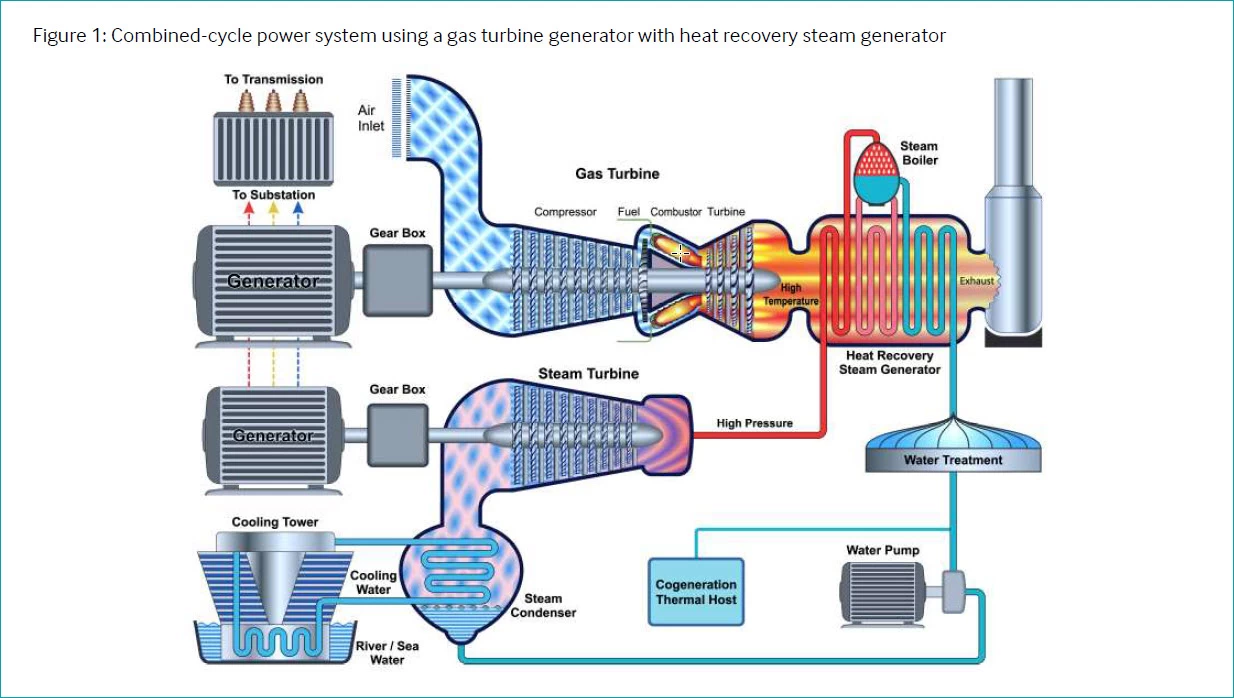
https://www.ipieca.org/site/assets/file ... ure11.webp
A COMBINED CYCLE, which GE's is, still uses STEAM to generate the FULL OUTPUT of the plant. Otherwise, you are only able to offer 1/2 the power needed to keep the grid up. And THAT can and does cause brown outs and other issues that destroy electrical components. You know, like BURNED OUT MOTORS, COMPRESSORS, TV's, etc.
Coal is also good for base line power. They take a long time to spool up, but run so long as you throw coal into them, until they too have to be shut down for maintenance.
But compare coal to gas. Gas plants operate by switching a valve and gas comes in through a pipeline. There’s no dirty black coal to fool with, lower maintenance, no do gooders mad at you, no lawsuits, and since the cost of fuel is about the same coal is done for.
—-The United States is rapidly approaching a milestone in the electricity sector’s energy transition: By the end of 2026, it will have closed half of its coal generation capacity, which peaked in 2011. This is now the earliest date for this milestone since IEEFA began closely tracking coal-plant retirements, and it has moved up despite pandemic-induced supply disruptions that have led to delays in the completion of new generation resources and significant price volatility for gas, both of which contributed to some shifting dates for plant closures. By another measure—actual electricity generation—the U.S. has cut coal use even faster, producing less than 50% of coal’s 2011 power level in both 2020 and 2022.
By the end of 2026, based on current announcements from utilities, coal capacity will fall to 159 gigawatts (GW), down from 318GW in 2011. It is set to fall to just 116GW by 2030. And coal generation may continue to fall faster, as aging units face higher operation and maintenance costs, and utilities increasingly favor the responsiveness of gas generation and battery storage to complement the variable output from solar and wind, both of which continue to be built at a rapid clip.Together, these milestones portend an ongoing and deep restructuring of the U.S. coal industry as demand for the fuel continues to drop quickly. It is likely to result in significant mine closures, layoffs, and falling tax and royalty payments in coal-producing states.
—-
In only the last decade or so, solar and wind have become the cheapest way to add new capacity as old coal and combined gas plants retire.
Just like coal and gas, both solar and wind have been around all my life. But costs for solar and wind have fallen by nearly unimaginable orders of magnitude while gas and coal plants aren’t getting any cheaper.
But the grid will always need a source of energy that is dead, 100%, always reliable day and night, and that’s gas, for now. I think it should include nuclear, but I’m not in charge.
But once the new grid is completed, no power company will burn a thimble of gas unless it’s required to meet demand.
The do gooders celebrate saving the planet.
I celebrate having a 100% domestic electric source that’s cheaper than today.