Liberal Forum
Archive
‹
Political Chat Rooms
‹
No Holds Barred Political Forum
‹
Biden wins South Carolina primary by 94% dark Brandon runs away with it.
Biden wins South Carolina primary by 94% dark Brandon runs away with it.

By Bidencrimefamily
3 Feb 2024 9:31 pm in No Holds Barred Political Forum
3 Feb 2024 9:31 pm


5.2 million people live in SC.Bidencrimefamily » 03 Feb 2024, 10:31 pm » wrote: ↑ He won almost all the votes.
Bet trump doesn't win by that much.
126,000 of them support Biden... who's biggest primary challenger is a spiritual healing author.
What a "win".

The powers not delegated to the United States by the Constitution, nor prohibited by it to the States, are reserved to the States respectively, or to the people
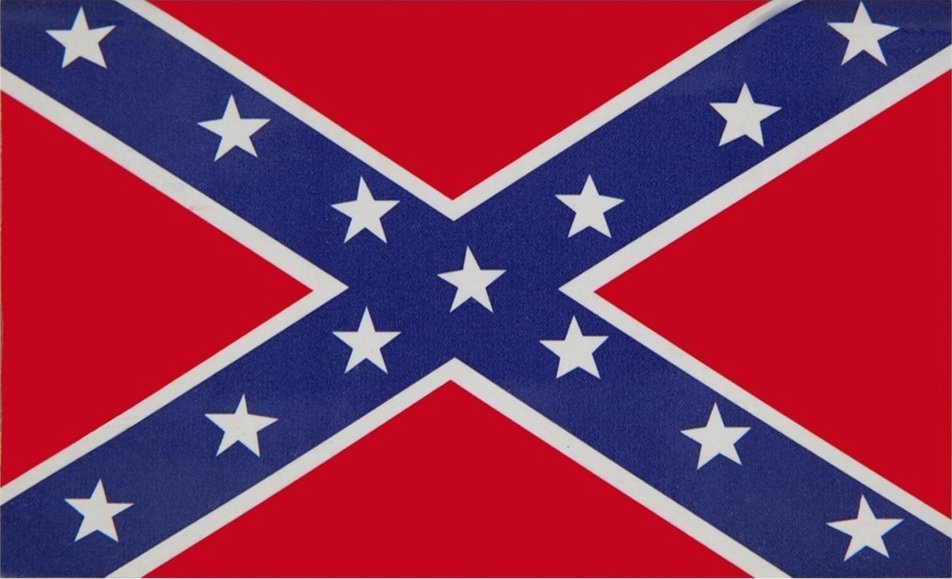

**** dim-0-crap idiots!!! It was rigged!!! They wouldn't even let RFK run!!! In the style of a third world banana republic dictatorship---bar the opposition then declare victory...
Is this the deep state dim-0-crap blueprint for America? Braindead biden's puppet masters have in effect eliminated any dim-0-crap opposition to his tyranny and they have been desperately trying to get rid of Trump.
February 3, 2024
25 years after Venezuela elected Hugo Chavez, five lessons for the U.S.
By Monica Showalter
Twenty-five years ago, far-left socialist Hugo Chavez assumed Venezuela's presidency, lawfully elected and sworn in on Feb. 2, 1999, after an up-and-down career as a restive army office involved in a coup d'etat. He ran and won as an outsider at a time when the establishment had discredited itself, got into trouble when oil prices fell, and signed on to an International Monetary Fund austerity program, such as were being employed at the time in measures that left capitals burning.
Once in. it didn't take long for Chavez to turn his once-prosperous country into a socialist hellhole.
Today, the country is in rubble, a dictatorship, a shadow of its now-dimly remembered glory. It had been South America's most prosperous and developed country, with a huge middle class. Now, as with all socialist regimes, millions have fled its poverty, oppression, and despair.
For many years, here in the states we watched the leering, clown-like dictator wreck and ruin his country. The global left embraced Chavez as if he were the new Fidel Castro. But the rest of us just watched it with detachment, having seen this disaster play out many times earlier throughout the 20th century -- in Russia, in China, in Cuba, in Vietnam, in North Korea, in parts of Africa.
Did it have any relevance to us? For many years, many didn't think so, and the country was often ignored, often by U.S. presidents. And yet, yet, we've met Venezuelans. We know they are like us.
Now that the full scope is laid out after 25 years, maybe Venezuela does offer cautionary lessons for us in the states.
What might a few of those lessons be?
February 3, 2024
25 years after Venezuela elected Hugo Chavez, five lessons for the U.S.
By Monica Showalter
Twenty-five years ago, far-left socialist Hugo Chavez assumed Venezuela's presidency, lawfully elected and sworn in on Feb. 2, 1999, after an up-and-down career as a restive army office involved in a coup d'etat. He ran and won as an outsider at a time when the establishment had discredited itself, got into trouble when oil prices fell, and signed on to an International Monetary Fund austerity program, such as were being employed at the time in measures that left capitals burning.
Once in. it didn't take long for Chavez to turn his once-prosperous country into a socialist hellhole.
Today, the country is in rubble, a dictatorship, a shadow of its now-dimly remembered glory. It had been South America's most prosperous and developed country, with a huge middle class. Now, as with all socialist regimes, millions have fled its poverty, oppression, and despair.
For many years, here in the states we watched the leering, clown-like dictator wreck and ruin his country. The global left embraced Chavez as if he were the new Fidel Castro. But the rest of us just watched it with detachment, having seen this disaster play out many times earlier throughout the 20th century -- in Russia, in China, in Cuba, in Vietnam, in North Korea, in parts of Africa.
Did it have any relevance to us? For many years, many didn't think so, and the country was often ignored, often by U.S. presidents. And yet, yet, we've met Venezuelans. We know they are like us.
Now that the full scope is laid out after 25 years, maybe Venezuela does offer cautionary lessons for us in the states.
What might a few of those lessons be?
One -- that elections matter. Elect a politician promising handouts, as Hugo Chavez did, and watch the country go bust, running out of money in just a few years' time.
And as money ran out, it didn't take long before the government started expropriating from others -- starting with small landholders, owners of small farms, and minor landlords -- and moving on to major industries -- electricity, water, and above all, oil. Worse still, as government power concentrated itself in a few hands, it didn't take long for corruption to gain a foothold, corruption unlike any the hemisphere has seen, with billions stolen by its cronies. Hugo himself died a billionaire by 2013.
Two, fraudulent elections, and even the perceptions of fraudulent elections matter even more. For Venezuela, the wages of Chavez's economic mismanagement, and attempt to coopt the Venezuelan state oil company's union led to huge protests and a recall referendum petition that drew millions of signatures asking to get rid of that guy. The very concept of the recall was placed into the rewritten constitution by Chavez's own cronies, and it opposition took that opportunity to turn it onto Chavez himself. In 2004, after numerous attempts to halt the recall through legal technicalities failed, but absolutely gargantuan demonstrations showed the extent of the popular support for it, the recall happened. Very strangely, it failed. Scientists conducted studies posthumously and said the numbers didn't add up. Locals said their votes were improperly counted or were programmed to vote for Chavez, not his ouster. One theory held that the voting totals were flipped. The recall was monitored by Jimmy Carter's Carter Center, which came out and said all was free and fair, having seen everything for themselves with the small exception of what went on ... in the totalization room. Fraudulent or not, the opposition was shocked, having had its own monitors that found otherwise, but its concerns were dismissed by those who viewed them as rich whites out of touch with vast dark-skinned Venezuelan masses, who still supposedly loved Hugo Chavez. Maybe it was true, some good reporters, such as Juan Forero of the New York Times, who was there, thought so. But the perception of fraud left the opposition so shocked and silent it boycotted the next local election in late 2005 (which I witnessed). By default, Chavez and his Chavistas then took full power in the legislative elections and ran with it, socializing the country even more, coopting the courts, the food supply, the industries, the internet, the once-free press, driving the latter out of business, or forcing television stations to sell to Chavista outlets at rock-bottom prices.
Lesson: Fraudulent, or at least rigged, elections lead to even more horrible consequences than legal elections and once they happen, there is no return. Once fraud became the order of the day, government grew even more unaccountable and tyrannical. The Chavistas then extended their grip on power to intolerable levels as the water and food ran out and the only way out was to leave the country.
Three, immigration matters. One thing not well-known to Americans is that Venezuela, with its historic oil booms and busts, tended to attract a lot of immigrants. The unassimilated immigrants -- from Haiti, the Dominican Republic, Colombia and more -- were often in the country illegally, and when the oil booms ended, retreated to the extralegal shantytowns where they lived in abject poverty with only the infornal economy to sustain them with no property rights and only the law of the gangs and jungle to keep order. Chavez knew he was losing that recall referendum, but in the last few weeks before the recall referendum, extended "citizenship" to millions of the impoverished foreigners. If he really did win that 2004 referendum, it would have been due to such votes.
And as money ran out, it didn't take long before the government started expropriating from others -- starting with small landholders, owners of small farms, and minor landlords -- and moving on to major industries -- electricity, water, and above all, oil. Worse still, as government power concentrated itself in a few hands, it didn't take long for corruption to gain a foothold, corruption unlike any the hemisphere has seen, with billions stolen by its cronies. Hugo himself died a billionaire by 2013.
Two, fraudulent elections, and even the perceptions of fraudulent elections matter even more. For Venezuela, the wages of Chavez's economic mismanagement, and attempt to coopt the Venezuelan state oil company's union led to huge protests and a recall referendum petition that drew millions of signatures asking to get rid of that guy. The very concept of the recall was placed into the rewritten constitution by Chavez's own cronies, and it opposition took that opportunity to turn it onto Chavez himself. In 2004, after numerous attempts to halt the recall through legal technicalities failed, but absolutely gargantuan demonstrations showed the extent of the popular support for it, the recall happened. Very strangely, it failed. Scientists conducted studies posthumously and said the numbers didn't add up. Locals said their votes were improperly counted or were programmed to vote for Chavez, not his ouster. One theory held that the voting totals were flipped. The recall was monitored by Jimmy Carter's Carter Center, which came out and said all was free and fair, having seen everything for themselves with the small exception of what went on ... in the totalization room. Fraudulent or not, the opposition was shocked, having had its own monitors that found otherwise, but its concerns were dismissed by those who viewed them as rich whites out of touch with vast dark-skinned Venezuelan masses, who still supposedly loved Hugo Chavez. Maybe it was true, some good reporters, such as Juan Forero of the New York Times, who was there, thought so. But the perception of fraud left the opposition so shocked and silent it boycotted the next local election in late 2005 (which I witnessed). By default, Chavez and his Chavistas then took full power in the legislative elections and ran with it, socializing the country even more, coopting the courts, the food supply, the industries, the internet, the once-free press, driving the latter out of business, or forcing television stations to sell to Chavista outlets at rock-bottom prices.
Lesson: Fraudulent, or at least rigged, elections lead to even more horrible consequences than legal elections and once they happen, there is no return. Once fraud became the order of the day, government grew even more unaccountable and tyrannical. The Chavistas then extended their grip on power to intolerable levels as the water and food ran out and the only way out was to leave the country.
Three, immigration matters. One thing not well-known to Americans is that Venezuela, with its historic oil booms and busts, tended to attract a lot of immigrants. The unassimilated immigrants -- from Haiti, the Dominican Republic, Colombia and more -- were often in the country illegally, and when the oil booms ended, retreated to the extralegal shantytowns where they lived in abject poverty with only the infornal economy to sustain them with no property rights and only the law of the gangs and jungle to keep order. Chavez knew he was losing that recall referendum, but in the last few weeks before the recall referendum, extended "citizenship" to millions of the impoverished foreigners. If he really did win that 2004 referendum, it would have been due to such votes.
Four: Crime matters. Venezuela under Chavez had a horrific crime rate, with drugs and FARC terrorists from nearby Colombia fueling much of it. Chavez let that crime go on, and the country become unliveable -- because it served as a means of social control over the decent-people opposition. When one is afraid to go out in the streets, one is less likely to engage in mass demonstrations. Chavez also was able to coopt motorcycle and other goons and gangs to serve as unofficial goons for his regime, to tamp down dissidents in the shantytowns. Unlike most other socialist regimes before him, Chavez understood the value to his regime of unchecked and unpunished street crime, focusing most of his anti-crime efforts on political dissidents.
Five: Chavez may have been a failure, but it didn't matter, because his regime was forever. Demonstration after demonstration, in numbers so huge they were called 'avalanchas' each year brought newfound hope for being able to get rid of the detested failure of a regime. But to this day, every effort has been for nothing. Nothing has ever changed, and with heavy Cuban influence invited in by the Chavista government, to the point of talk of a national merger, the country had effectively become a satellite of Cuba, the first instance probably in the world of a country willingly colonizing itself to a weaker, manifestly failed smaller power -- with an amazingly tyrannical government it wanted to imitate.
Few imagined back in 1999 that it would soon become impossible to get rid of this regime through democratic measures. Venezuela's opposition has carried forward honorably and diligently, always holding the candle of democracy, yet like us, never being willing to engage in a Contra-style war such as was seen in less-developed Nicaragua against the Marxist Sandinistas in the 1980s. It seems an impossibility. Yet Venezuela was no longer was a democracy. The opposition was undercut by the fact that everyone out there still recognized Venezuela as a democracy, which the regime wore as a skin suit to wave at anyone protesting their dictatorship. They went through the motions, as all communist regimes do. Chavez died in 2013, but his regime has continued for another ten years under the mediocre Molotov-like Nicolas Maduro and will continue for another ten, and another ten, unmoved by its failures the way Cuba does. In a dictatorship, economic failures don't matter, all that matters is holding power and never letting go.
Does that hold lessons for us? In the era of Joe Biden, eerily so. The international left, and the left in the U.S. has long admired the Chavez model under the rubric of helping the people, but that Chavez model is Cuba in a more developed form. The handouts are long gone and the people are now fleeing. Will that same model be replicated here?
Suddenly, Venezuela's history looks pretty relevant.
25 years after Venezuela elected Hugo Chavez, five lessons for the U.S. - American Thinker
Five: Chavez may have been a failure, but it didn't matter, because his regime was forever. Demonstration after demonstration, in numbers so huge they were called 'avalanchas' each year brought newfound hope for being able to get rid of the detested failure of a regime. But to this day, every effort has been for nothing. Nothing has ever changed, and with heavy Cuban influence invited in by the Chavista government, to the point of talk of a national merger, the country had effectively become a satellite of Cuba, the first instance probably in the world of a country willingly colonizing itself to a weaker, manifestly failed smaller power -- with an amazingly tyrannical government it wanted to imitate.
Few imagined back in 1999 that it would soon become impossible to get rid of this regime through democratic measures. Venezuela's opposition has carried forward honorably and diligently, always holding the candle of democracy, yet like us, never being willing to engage in a Contra-style war such as was seen in less-developed Nicaragua against the Marxist Sandinistas in the 1980s. It seems an impossibility. Yet Venezuela was no longer was a democracy. The opposition was undercut by the fact that everyone out there still recognized Venezuela as a democracy, which the regime wore as a skin suit to wave at anyone protesting their dictatorship. They went through the motions, as all communist regimes do. Chavez died in 2013, but his regime has continued for another ten years under the mediocre Molotov-like Nicolas Maduro and will continue for another ten, and another ten, unmoved by its failures the way Cuba does. In a dictatorship, economic failures don't matter, all that matters is holding power and never letting go.
Does that hold lessons for us? In the era of Joe Biden, eerily so. The international left, and the left in the U.S. has long admired the Chavez model under the rubric of helping the people, but that Chavez model is Cuba in a more developed form. The handouts are long gone and the people are now fleeing. Will that same model be replicated here?
Suddenly, Venezuela's history looks pretty relevant.
25 years after Venezuela elected Hugo Chavez, five lessons for the U.S. - American Thinker

Dean Phillips garnered more votes yesterday in SC than joe did in 2020...Bidencrimefamily » 03 Feb 2024, 10:31 pm » wrote: ↑ He won almost all the votes.
Bet trump doesn't win by that much.

 JuCo 5 percenter...72
“Show me the man and I’ll find you the crime” ~ LAVRENTIY BERIA
"Try to get past your passionate ignorance and learn to accept what actually happened." ~ brown's unheeded words of wisdom
If gender is not sex, why should a gender claim change what sex you shower with?
JuCo 5 percenter...72
“Show me the man and I’ll find you the crime” ~ LAVRENTIY BERIA
"Try to get past your passionate ignorance and learn to accept what actually happened." ~ brown's unheeded words of wisdom
If gender is not sex, why should a gender claim change what sex you shower with? LOL!!! Really a great victory, huh? South Carolina has a population of 5.46 MILLION with 3.3 MILLION registered voters. You **** liberal idiots believe it was great victory for braindead biden because he got 96% of the rigged vote from only 150,000 voters who voted in the primary. LOL!!!Bidencrimefamily » 03 Feb 2024, 10:31 pm » wrote: ↑ He won almost all the votes.
Bet trump doesn't win by that much.
Who needs votes/voters when you've got Dominion on your side?

Wow...Bidencrimefamily » 03 Feb 2024, 10:31 pm » wrote: ↑ He won almost all the votes.
Bet trump doesn't win by that much.
50,000 more people voted for Trump in tiny NH..
..than voted for Biden in SC
Next up, Argentina...and on it goes...Buffalo » 04 Feb 2024, 7:27 am » wrote: ↑ Four: Crime matters. Venezuela under Chavez had a horrific crime rate, with drugs and FARC terrorists from nearby Colombia fueling much of it. Chavez let that crime go on, and the country become unliveable -- because it served as a means of social control over the decent-people opposition. When one is afraid to go out in the streets, one is less likely to engage in mass demonstrations. Chavez also was able to coopt motorcycle and other goons and gangs to serve as unofficial goons for his regime, to tamp down dissidents in the shantytowns. Unlike most other socialist regimes before him, Chavez understood the value to his regime of unchecked and unpunished street crime, focusing most of his anti-crime efforts on political dissidents.
Five: Chavez may have been a failure, but it didn't matter, because his regime was forever. Demonstration after demonstration, in numbers so huge they were called 'avalanchas' each year brought newfound hope for being able to get rid of the detested failure of a regime. But to this day, every effort has been for nothing. Nothing has ever changed, and with heavy Cuban influence invited in by the Chavista government, to the point of talk of a national merger, the country had effectively become a satellite of Cuba, the first instance probably in the world of a country willingly colonizing itself to a weaker, manifestly failed smaller power -- with an amazingly tyrannical government it wanted to imitate.
Few imagined back in 1999 that it would soon become impossible to get rid of this regime through democratic measures. Venezuela's opposition has carried forward honorably and diligently, always holding the candle of democracy, yet like us, never being willing to engage in a Contra-style war such as was seen in less-developed Nicaragua against the Marxist Sandinistas in the 1980s. It seems an impossibility. Yet Venezuela was no longer was a democracy. The opposition was undercut by the fact that everyone out there still recognized Venezuela as a democracy, which the regime wore as a skin suit to wave at anyone protesting their dictatorship. They went through the motions, as all communist regimes do. Chavez died in 2013, but his regime has continued for another ten years under the mediocre Molotov-like Nicolas Maduro and will continue for another ten, and another ten, unmoved by its failures the way Cuba does. In a dictatorship, economic failures don't matter, all that matters is holding power and never letting go.
Does that hold lessons for us? In the era of Joe Biden, eerily so. The international left, and the left in the U.S. has long admired the Chavez model under the rubric of helping the people, but that Chavez model is Cuba in a more developed form. The handouts are long gone and the people are now fleeing. Will that same model be replicated here?
Suddenly, Venezuela's history looks pretty relevant.
25 years after Venezuela elected Hugo Chavez, five lessons for the U.S. - American Thinker
great article...telling...
JuCo 5 percenter...72
“Show me the man and I’ll find you the crime” ~ LAVRENTIY BERIA
"Try to get past your passionate ignorance and learn to accept what actually happened." ~ brown's unheeded words of wisdom
If gender is not sex, why should a gender claim change what sex you shower with? 
Hahahahahahahahahahahahahahahahahahahaha!
Poor election fraud believers.
Last presidential election over 6 million voted for Biden than Trump.BooRadley » 04 Feb 2024, 7:53 am » wrote: ↑ Wow...
50,000 more people voted for Trump in tiny NH..
..than voted for Biden in SC
America overwhelmingly hates trump.
Poor gullible, ****, liberal idiot...LOL!!!Squatchman » 04 Feb 2024, 9:17 am » wrote: ↑ Hahahahahahahahahahahahahahahahahahahaha!
Poor election fraud believers.
!40,000 voters out of 3.3 MILLION registered voters voted for the braindead ****? And that is supposed to be a great victory? LOL!!!
Goddamn, you just keep proving how **** stupid you are, IDIOT!!!
Donald Trump is considered a moron by his appointees.RedheadedStranger » 04 Feb 2024, 6:00 am » wrote: ↑ 5.2 million people live in SC.
126,000 of them support Biden... who's biggest primary challenger is a spiritual healing author.
What a "win".
Just sayin'
You are considered a moron by everyone on this forum... except squatman and Bidencrimefamily.R.Suave » 04 Feb 2024, 9:50 am » wrote: ↑ Donald Trump is considered a moron by his appointees.
Just sayin'
Just sayin'
The powers not delegated to the United States by the Constitution, nor prohibited by it to the States, are reserved to the States respectively, or to the people
Exclusive of Grifter rubes what have you got?RedheadedStranger » 04 Feb 2024, 9:54 am » wrote: ↑ You are considered a moron by everyone on this forum... except squatman and Bidencrimefamily.
Just sayin'
Photographic evidence that you're a duped dope.
The powers not delegated to the United States by the Constitution, nor prohibited by it to the States, are reserved to the States respectively, or to the people
Who is calling that "evidence"?RedheadedStranger » 04 Feb 2024, 10:15 am » wrote: ↑ Photographic evidence that you're a duped dope.
Me and a whole host of other people.
Your opinion isn't the end all Rico... even if you think it is.
The powers not delegated to the United States by the Constitution, nor prohibited by it to the States, are reserved to the States respectively, or to the people
Don't be vague.RedheadedStranger » 04 Feb 2024, 10:20 am » wrote: ↑ Me and a whole host of other people.
Your opinion isn't the end all Rico... even if you think it is.
Name them.
I'll help you get started
huey, cheddy, rhinohornassblasted...
Who is online
In total there are 5015 users online :: 8 registered, 12 bots, and 4995 guests
Registered users: Johnny You, *Roshambo, Buffalo, RebelGator, ConservativeWave, Beekeeper, SouthernFried, nefarious101
Bots: facebookexternalhit, LCC, CensysInspect, ADmantX, MicroMessenger, CriteoBot, proximic, Googlebot, Applebot, bingbot, Mediapartners-Google, curl/7