Liberal Forum
Archive
‹
Political Chat Rooms
‹
No Holds Barred Political Forum
‹
PSA: The Psychology of Jew Haters
PSA: The Psychology of Jew Haters

By Fuelman
21 Sep 2025 10:35 am in No Holds Barred Political Forum
21 Sep 2025 10:35 am

There is no debate here, just pure unadulterated facts. If you don't agree there are mental health services available to you.  This is a Public Service Announcement. (Beware of crazy people on the Internet)
Based on psychological research, antisemitism is a form of prejudice rooted in deep-seated social and personal insecurities, often fueled by conspiratorial thinking and fueled by in-group biases.
There is no single psychological profile for someone who hates Jews, but several contributing factors have been identified over centuries of history. Various psychological mechanisms and social factors contribute to the development and expression of prejudice and discrimination.
Understanding these can shed light on how hateful beliefs, including antisemitism, can take root and spread.
Social and intergroup dynamicsIn-group/Out-group Bias: A fundamental aspect of social psychology is the tendency for individuals to favor their own social group (in-group) and hold less favorable views of other groups (out-groups). This can create a foundation for prejudice against groups perceived as "different."
Dehumanization: A process where members of an out-group are perceived as less than human. This can reduce empathy and make it easier to justify harmful actions or attitudes towards that group.
Scapegoating: Blaming an out-group for societal problems or misfortunes. This can occur during times of stress or instability and can provide a target for frustration and aggression, diverting attention from the real causes.
Social Identity Theory: This theory suggests that people derive part of their identity from the groups they belong to. Prejudice can sometimes arise from a need to enhance one's own group's status by viewing other groups negatively.
Individual psychological factorsPersonality Traits: Certain personality characteristics, such as authoritarianism (a rigid adherence to conventional norms and a submission to authority), a predisposition towards conspiratorial thinking, and traits associated with the "Dark Triad" (narcissism, Machiavellianism, and psychopathy), have been linked to a higher propensity for prejudice.
Cognitive Biases: These are systematic patterns of deviation from norm or rationality in judgment. Confirmation bias, for example, leads individuals to seek out and interpret information that confirms their existing beliefs, making it difficult to challenge prejudiced views with factual evidence.
Lack of Empathy: Difficulty in understanding or sharing the feelings of others can contribute to prejudice, as it makes it harder to connect with the experiences of those in out-groups.
The spread of prejudiced beliefsSocial Learning and Transmission: Prejudiced attitudes and beliefs can be learned through socialization, including exposure to family, peers, cultural norms, and media
.Influence of Information Environments: The internet and social media can play a significant role in the spread of hateful ideologies by providing platforms for the dissemination of prejudiced content and connecting individuals with similar biases.
Normalization: Repeated exposure to prejudiced language, stereotypes, and discriminatory behavior can lead to the normalization of these attitudes within a society or group.
This is a Public Service Announcement. (Beware of crazy people on the Internet)Based on psychological research, antisemitism is a form of prejudice rooted in deep-seated social and personal insecurities, often fueled by conspiratorial thinking and fueled by in-group biases.
There is no single psychological profile for someone who hates Jews, but several contributing factors have been identified over centuries of history. Various psychological mechanisms and social factors contribute to the development and expression of prejudice and discrimination.
Understanding these can shed light on how hateful beliefs, including antisemitism, can take root and spread.
Social and intergroup dynamicsIn-group/Out-group Bias: A fundamental aspect of social psychology is the tendency for individuals to favor their own social group (in-group) and hold less favorable views of other groups (out-groups). This can create a foundation for prejudice against groups perceived as "different."
Dehumanization: A process where members of an out-group are perceived as less than human. This can reduce empathy and make it easier to justify harmful actions or attitudes towards that group.
Scapegoating: Blaming an out-group for societal problems or misfortunes. This can occur during times of stress or instability and can provide a target for frustration and aggression, diverting attention from the real causes.
Social Identity Theory: This theory suggests that people derive part of their identity from the groups they belong to. Prejudice can sometimes arise from a need to enhance one's own group's status by viewing other groups negatively.
Individual psychological factorsPersonality Traits: Certain personality characteristics, such as authoritarianism (a rigid adherence to conventional norms and a submission to authority), a predisposition towards conspiratorial thinking, and traits associated with the "Dark Triad" (narcissism, Machiavellianism, and psychopathy), have been linked to a higher propensity for prejudice.
Cognitive Biases: These are systematic patterns of deviation from norm or rationality in judgment. Confirmation bias, for example, leads individuals to seek out and interpret information that confirms their existing beliefs, making it difficult to challenge prejudiced views with factual evidence.
Lack of Empathy: Difficulty in understanding or sharing the feelings of others can contribute to prejudice, as it makes it harder to connect with the experiences of those in out-groups.
The spread of prejudiced beliefsSocial Learning and Transmission: Prejudiced attitudes and beliefs can be learned through socialization, including exposure to family, peers, cultural norms, and media
.Influence of Information Environments: The internet and social media can play a significant role in the spread of hateful ideologies by providing platforms for the dissemination of prejudiced content and connecting individuals with similar biases.
Normalization: Repeated exposure to prejudiced language, stereotypes, and discriminatory behavior can lead to the normalization of these attitudes within a society or group.
21 Sep 2025 10:40 am
21 Sep 2025 10:54 am

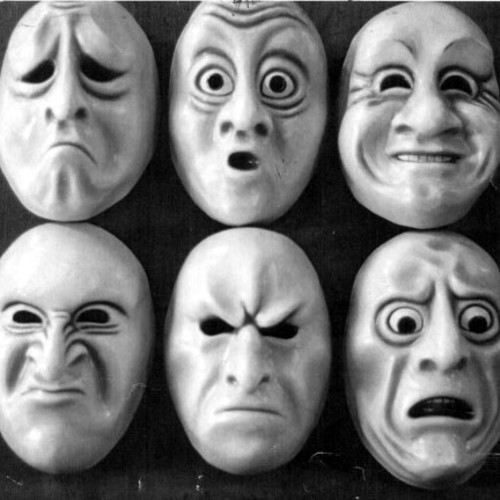
Joo hatred is fueled by the same energy that the pedo=progressive LGBT democrat party is fueled by....the need to belong to something....and the basic human need for group violence



21 Sep 2025 11:15 am
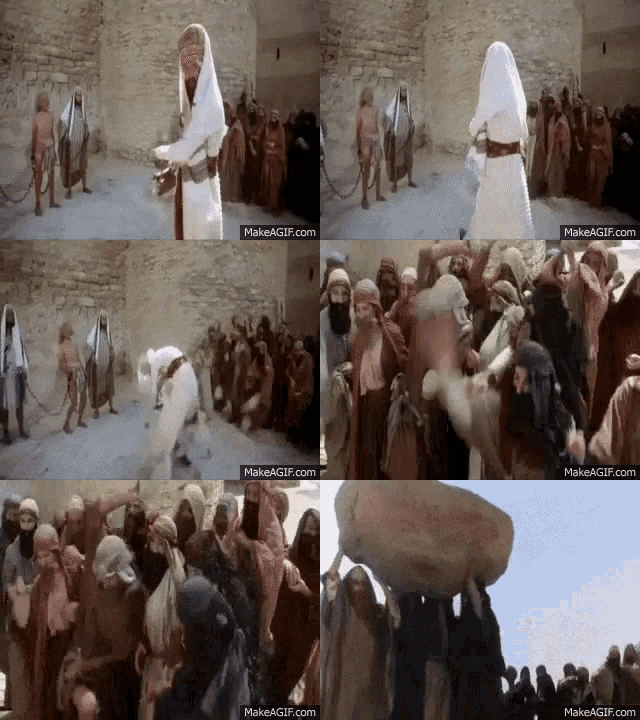
I think they're all stumped on the introspective aspects of your post.Fuelman » 21 Sep 2025, 10:35 am » wrote: ↑ There is no debate here, just pure unadulterated facts. If you don't agree there are mental health services available to you.
Based on psychological research, antisemitism is a form of prejudice rooted in deep-seated social and personal insecurities, often fueled by conspiratorial thinking and fueled by in-group biases.
There is no single psychological profile for someone who hates Jews, but several contributing factors have been identified over centuries of history. Various psychological mechanisms and social factors contribute to the development and expression of prejudice and discrimination.
Understanding these can shed light on how hateful beliefs, including antisemitism, can take root and spread.
Social and intergroup dynamicsIn-group/Out-group Bias: A fundamental aspect of social psychology is the tendency for individuals to favor their own social group (in-group) and hold less favorable views of other groups (out-groups). This can create a foundation for prejudice against groups perceived as "different."
Dehumanization: A process where members of an out-group are perceived as less than human. This can reduce empathy and make it easier to justify harmful actions or attitudes towards that group.
Scapegoating: Blaming an out-group for societal problems or misfortunes. This can occur during times of stress or instability and can provide a target for frustration and aggression, diverting attention from the real causes.
Social Identity Theory: This theory suggests that people derive part of their identity from the groups they belong to. Prejudice can sometimes arise from a need to enhance one's own group's status by viewing other groups negatively.
Individual psychological factorsPersonality Traits: Certain personality characteristics, such as authoritarianism (a rigid adherence to conventional norms and a submission to authority), a predisposition towards conspiratorial thinking, and traits associated with the "Dark Triad" (narcissism, Machiavellianism, and psychopathy), have been linked to a higher propensity for prejudice.
Cognitive Biases: These are systematic patterns of deviation from norm or rationality in judgment. Confirmation bias, for example, leads individuals to seek out and interpret information that confirms their existing beliefs, making it difficult to challenge prejudiced views with factual evidence.
Lack of Empathy: Difficulty in understanding or sharing the feelings of others can contribute to prejudice, as it makes it harder to connect with the experiences of those in out-groups.
The spread of prejudiced beliefsSocial Learning and Transmission: Prejudiced attitudes and beliefs can be learned through socialization, including exposure to family, peers, cultural norms, and media
.Influence of Information Environments: The internet and social media can play a significant role in the spread of hateful ideologies by providing platforms for the dissemination of prejudiced content and connecting individuals with similar biases.
Normalization: Repeated exposure to prejudiced language, stereotypes, and discriminatory behavior can lead to the normalization of these attitudes within a society or group.
21 Sep 2025 11:24 am
It's not easy to address your "issues". Most here will just say it's Jew propaganda.RebelGator » 21 Sep 2025, 11:15 am » wrote: ↑ I think they're all stumped on the introspective aspects of your post.
21 Sep 2025 12:00 pm

21 Sep 2025 12:06 pm

Oh, CP has been in here. If you knew how to use the site, you could easily see that he has entered the thread.
He just cannot bring himself to post or do anything - afraid of smeg unless he uses a prophylactic.

21 Sep 2025 12:14 pm
Imagine that, Hillary rage baiting people nurtured to take sides believing life isn't self evident with reverse psychology pitting all philosophies against one specific franchise of denying now is eternity and genetic outcomes of ancestry aren't living eternally separated now.Hillary Clinton » 21 Sep 2025, 12:06 pm » wrote: ↑ Oh, CP has been in here. If you knew how to use the site, you could easily see that he has entered the thread.
He just cannot bring himself to post or do anything - afraid of smeg unless he uses a prophylactic.
21 Sep 2025 12:28 pm
I understand there there is much risk at looking inward. Correcting insecurities is difficult.HillaryClinton » 21 Sep 2025, 12:06 pm » wrote: ↑ Oh, CP has been in here. If you knew how to use the site, you could easily see that he has entered the thread.
He just cannot bring himself to post or do anything - afraid of smeg unless he uses a prophylactic.
I apologize for my forwardness, my testosterone level came back at 1692.8 so I finally posted this very informative information.
Happy mental health day!
21 Sep 2025 12:29 pm
Yes, you are very courageous and ballsy.Fuelman » 21 Sep 2025, 12:28 pm » wrote: ↑ I understand there there is much risk at looking inward. Correcting insecurities is difficult.
I apologize for my forwardness, my testosterone level came back at 1692.8 so I finally posted this very informative information.
Happy mental health day!


21 Sep 2025 12:33 pm
Kinda describes all bigotsFuelman » 21 Sep 2025, 10:35 am » wrote: ↑ There is no debate here, just pure unadulterated facts. If you don't agree there are mental health services available to you.
Based on psychological research, antisemitism is a form of prejudice rooted in deep-seated social and personal insecurities, often fueled by conspiratorial thinking and fueled by in-group biases.
There is no single psychological profile for someone who hates Jews, but several contributing factors have been identified over centuries of history. Various psychological mechanisms and social factors contribute to the development and expression of prejudice and discrimination.
Understanding these can shed light on how hateful beliefs, including antisemitism, can take root and spread.
Social and intergroup dynamicsIn-group/Out-group Bias: A fundamental aspect of social psychology is the tendency for individuals to favor their own social group (in-group) and hold less favorable views of other groups (out-groups). This can create a foundation for prejudice against groups perceived as "different."
Dehumanization: A process where members of an out-group are perceived as less than human. This can reduce empathy and make it easier to justify harmful actions or attitudes towards that group.
Scapegoating: Blaming an out-group for societal problems or misfortunes. This can occur during times of stress or instability and can provide a target for frustration and aggression, diverting attention from the real causes.
Social Identity Theory: This theory suggests that people derive part of their identity from the groups they belong to. Prejudice can sometimes arise from a need to enhance one's own group's status by viewing other groups negatively.
Individual psychological factorsPersonality Traits: Certain personality characteristics, such as authoritarianism (a rigid adherence to conventional norms and a submission to authority), a predisposition towards conspiratorial thinking, and traits associated with the "Dark Triad" (narcissism, Machiavellianism, and psychopathy), have been linked to a higher propensity for prejudice.
Cognitive Biases: These are systematic patterns of deviation from norm or rationality in judgment. Confirmation bias, for example, leads individuals to seek out and interpret information that confirms their existing beliefs, making it difficult to challenge prejudiced views with factual evidence.
Lack of Empathy: Difficulty in understanding or sharing the feelings of others can contribute to prejudice, as it makes it harder to connect with the experiences of those in out-groups.
The spread of prejudiced beliefsSocial Learning and Transmission: Prejudiced attitudes and beliefs can be learned through socialization, including exposure to family, peers, cultural norms, and media
.Influence of Information Environments: The internet and social media can play a significant role in the spread of hateful ideologies by providing platforms for the dissemination of prejudiced content and connecting individuals with similar biases.
Normalization: Repeated exposure to prejudiced language, stereotypes, and discriminatory behavior can lead to the normalization of these attitudes within a society or group.
21 Sep 2025 12:34 pm
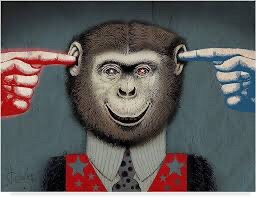
Gee, thanks Hilly, some things just need to be said.
Imagine the peace your soul will experience eradicating the Hate.
21 Sep 2025 12:37 pm
Yes it does.
21 Sep 2025 1:09 pm
He'll be reluctant to do that, he almost suffocated the last time.HillaryClinton » 21 Sep 2025, 12:06 pm » wrote: ↑
He just cannot bring himself to post or do anything - afraid of smeg unless he uses a prophylactic.
Are you close to CP?


21 Sep 2025 1:49 pm
But it's different when you're in drag.HillaryClinton » 21 Sep 2025, 12:06 pm » wrote: ↑ Oh, CP has been in here. If you knew how to use the site, you could easily see that he has entered the thread.
He just cannot bring himself to post or do anything - afraid of smeg unless he uses a prophylactic.

21 Sep 2025 5:02 pm

Well, not me personally. But if you were to ask this question to the millions of innocent people they have killed since 1948, then they could probably tell you exactly where the Jews touched them.
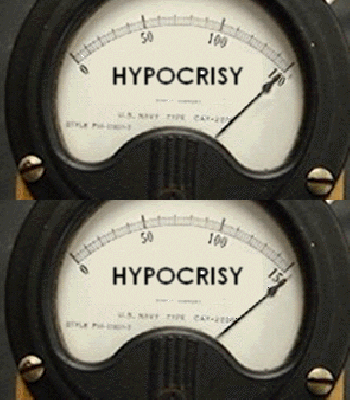
Blackvegatble's hypcorisy summed up in one post:
[/size]
Blackvegetable » 7 minutes ago » wrote: ↑7 minutes ago
Very simple questions...
From which you are running...
Blackvegetable » 7 minutes ago » wrote: ↑7 minutes ago
Very simple questions...
From which you are running...

21 Sep 2025 5:18 pm
Here is another PSA for Jew haters and those who are violent against them:New Jewish gun club with NY chapters features bullets and bagels as Oct. 7 date nears
They’re packing heat – and some nosh.
A new Jewish-owned and -operated shooting club is catering to communal safety concerns ahead ofRosh Hashanah, the Jewish new year that begins Monday at sundown.
Plenty of ammo is in the offing — along with bagels and schmear to kick off every session.
“Lox & Loaded was born out of necessity, sadly,” said Ian Friedman, a rep for the national member-based club, which has three thriving New York chapters.
Friedman told The Post that Lox & Loaded’s national tactical firearms training has quickly become an appetizing option for those seeking safety — specifically around Jewish holidays and generally since Hamas’ devastating Oct. 7, 2023, terrorist attack on Israel that launched the ongoing war in Gaza and a relentless stream of antisemitism across the country and globe.
https://nypost.com/2025/09/21/us-news/n ... ct-7-date/
BV is in question time out indefinitely, until he takes the pledge to answer questions one for one.
The Pledge viewtopic.php?f=3&t=100927
Popular Vote Totals 2024 viewtopic.php?p=2685476#p2685476
BV's Sporter Losshttps: viewtopic.php?p=2610828#p2610828
BV 33 miles: viewtopic.php?p=2747521#p2747521
Sources viewtopic.php?p=2589152#p2589152
The Pledge viewtopic.php?f=3&t=100927
Popular Vote Totals 2024 viewtopic.php?p=2685476#p2685476
BV's Sporter Losshttps: viewtopic.php?p=2610828#p2610828
BV 33 miles: viewtopic.php?p=2747521#p2747521
Sources viewtopic.php?p=2589152#p2589152

21 Sep 2025 9:47 pm

I one thousand percent agree with the Israeli genocide of Palestine and support any actions those Christ killers insist upon doing.Fuelman » 21 Sep 2025, 10:35 am » wrote: ↑ There is no debate here, just pure unadulterated facts. If you don't agree there are mental health services available to you.
Based on psychological research, antisemitism is a form of prejudice rooted in deep-seated social and personal insecurities, often fueled by conspiratorial thinking and fueled by in-group biases.
There is no single psychological profile for someone who hates Jews, but several contributing factors have been identified over centuries of history. Various psychological mechanisms and social factors contribute to the development and expression of prejudice and discrimination.
Understanding these can shed light on how hateful beliefs, including antisemitism, can take root and spread.
Social and intergroup dynamicsIn-group/Out-group Bias: A fundamental aspect of social psychology is the tendency for individuals to favor their own social group (in-group) and hold less favorable views of other groups (out-groups). This can create a foundation for prejudice against groups perceived as "different."
Dehumanization: A process where members of an out-group are perceived as less than human. This can reduce empathy and make it easier to justify harmful actions or attitudes towards that group.
Scapegoating: Blaming an out-group for societal problems or misfortunes. This can occur during times of stress or instability and can provide a target for frustration and aggression, diverting attention from the real causes.
Social Identity Theory: This theory suggests that people derive part of their identity from the groups they belong to. Prejudice can sometimes arise from a need to enhance one's own group's status by viewing other groups negatively.
Individual psychological factorsPersonality Traits: Certain personality characteristics, such as authoritarianism (a rigid adherence to conventional norms and a submission to authority), a predisposition towards conspiratorial thinking, and traits associated with the "Dark Triad" (narcissism, Machiavellianism, and psychopathy), have been linked to a higher propensity for prejudice.
Cognitive Biases: These are systematic patterns of deviation from norm or rationality in judgment. Confirmation bias, for example, leads individuals to seek out and interpret information that confirms their existing beliefs, making it difficult to challenge prejudiced views with factual evidence.
Lack of Empathy: Difficulty in understanding or sharing the feelings of others can contribute to prejudice, as it makes it harder to connect with the experiences of those in out-groups.
The spread of prejudiced beliefsSocial Learning and Transmission: Prejudiced attitudes and beliefs can be learned through socialization, including exposure to family, peers, cultural norms, and media
.Influence of Information Environments: The internet and social media can play a significant role in the spread of hateful ideologies by providing platforms for the dissemination of prejudiced content and connecting individuals with similar biases.
Normalization: Repeated exposure to prejudiced language, stereotypes, and discriminatory behavior can lead to the normalization of these attitudes within a society or group.
So with that bit above can I join your club?
When I lost hope I gained my freedom

22 Sep 2025 5:54 am
Is that from The Project 2025 Mandate for Leadership? ^^^ Or the 31st Arrival Institute for Destitute Philosphers?Fuelman » 21 Sep 2025, 10:35 am » wrote: ↑ There is no debate here, just pure unadulterated facts. If you don't agree there are mental health services available to you.
Based on psychological research, antisemitism is a form of prejudice rooted in deep-seated social and personal insecurities, often fueled by conspiratorial thinking and fueled by in-group biases.
There is no single psychological profile for someone who hates Jews, but several contributing factors have been identified over centuries of history. Various psychological mechanisms and social factors contribute to the development and expression of prejudice and discrimination.
Understanding these can shed light on how hateful beliefs, including antisemitism, can take root and spread.
Social and intergroup dynamicsIn-group/Out-group Bias: A fundamental aspect of social psychology is the tendency for individuals to favor their own social group (in-group) and hold less favorable views of other groups (out-groups). This can create a foundation for prejudice against groups perceived as "different."
Dehumanization: A process where members of an out-group are perceived as less than human. This can reduce empathy and make it easier to justify harmful actions or attitudes towards that group.
Scapegoating: Blaming an out-group for societal problems or misfortunes. This can occur during times of stress or instability and can provide a target for frustration and aggression, diverting attention from the real causes.
Social Identity Theory: This theory suggests that people derive part of their identity from the groups they belong to. Prejudice can sometimes arise from a need to enhance one's own group's status by viewing other groups negatively.
Individual psychological factorsPersonality Traits: Certain personality characteristics, such as authoritarianism (a rigid adherence to conventional norms and a submission to authority), a predisposition towards conspiratorial thinking, and traits associated with the "Dark Triad" (narcissism, Machiavellianism, and psychopathy), have been linked to a higher propensity for prejudice.
Cognitive Biases: These are systematic patterns of deviation from norm or rationality in judgment. Confirmation bias, for example, leads individuals to seek out and interpret information that confirms their existing beliefs, making it difficult to challenge prejudiced views with factual evidence.
Lack of Empathy: Difficulty in understanding or sharing the feelings of others can contribute to prejudice, as it makes it harder to connect with the experiences of those in out-groups.
The spread of prejudiced beliefsSocial Learning and Transmission: Prejudiced attitudes and beliefs can be learned through socialization, including exposure to family, peers, cultural norms, and media
.Influence of Information Environments: The internet and social media can play a significant role in the spread of hateful ideologies by providing platforms for the dissemination of prejudiced content and connecting individuals with similar biases.
Normalization: Repeated exposure to prejudiced language, stereotypes, and discriminatory behavior can lead to the normalization of these attitudes within a society or group.
Religion is the root of all evil. Nothing is Evil until something thinks it is. Moral Law is a critical element of consciousness. Satan has hijacked the Judeo Christiam Islamic Triangle of Doom, If you believe in that Good, Bad, and Ugly spiritual joo joo.
I just call it humans being stupid. Bebe is a war criminal. He is no moon.. And he certianly has lost any moral guidance Judaism may provide.
DUMP THE TRUMP SLUMP 2026!
Bump Caps Recommended..
Bump Caps Recommended..
22 Sep 2025 6:00 am
I am an ancestor discussing evolving as displaced since conceived without exception or exemption, not a philosopher suggesting nobody can understand their sole time alive daily here.Johnny You » 22 Sep 2025, 5:54 am » wrote: ↑ Is that from The Project 2025 Mandate for Leadership? ^^^ Or the 31st Arrival Institute for Destitute Philosphers?
Religion is the root of all evil. Nothing is Evil until something thinks it is. Moral Law is a critical element of consciousness. Satan has hijacked the Judeo Christiam Islamic Triangle of Doom, If you believe in that Good, Bad, and Ugly spiritual joo joo.
I just call it humans being stupid. Bebe is a war criminal. He is no moon.. And he certianly has lost any moral guidance Judaism may provide.
that is what type cast people do ancestrally with each ancestor dying to stay in character projected through social consensus legislating rule of law, cradle to grave, regardless the generation gap they achieve after birth, or die never becoming a parent, or outliving their added generation gaps.
Life is balanced by hearts beating here now, not fair throughout history or current events.
Who is online
In total there are 3751 users online :: 13 registered, 17 bots, and 3721 guests
Registered users: Johnny You, *Roshambo, Blackvegetable, Zeets2, RebelGator, Beekeeper, jerra b, LowIQTrash, SouthernFried, Cannonpointer, Deezer Shoove, Huey, PoliticalPopUp
Bots: NING, LCC, DuckDuckBot, DuckDuckGo, Bolt, ADmantX, Googlebot, proximic, feedbot, CriteoBot, Mediapartners-Google, facebookexternalhit, bingbot, YandexBot, Baiduspider, curl/7, Applebot